
Test anxiety is a widespread challenge, but modern remote exam invigilation is providing a solution. Latest data from 2025 indicates that 85% of UK students experience test anxiety, with worldwide figures exceeding 80% in high-stakes professional environments. Because exam stress can reduce performance by up to 20%, choosing the right online exam invigilation software is no longer just a technical decision – it is a way to support candidate wellbeing and ensure more accurate results.
Traditional testing environments = increased anxiety

Conventional exam centres introduce a number of “friction points” that spike stress levels:
-
Travel Stress: Candidates must travel, sometimes long distances, to reach a centre.
-
Rigid Scheduling: Booking slots are often weeks in advance, creating intense pressure to perform at a fixed, inflexible time.
-
Unfamiliarity: Exam conditions are clinical, unfamiliar, and can feel intentionally intimidating.
-
Intrusive Supervision: Live, “eyes-on-me” invigilation can feel scrutinising and uncomfortable.
-
Unpredictability: Any unexpected issues, like transport delays or accessibility challenges, further disrupt the mental preparation process.
These external stressors often amplify natural test anxiety, impairing concentration and memory retrieval, which can ultimately skew the accuracy of the results.
How online exam invigilation helps
Remote assessment technology, when designed with empathy and user needs in mind, can significantly reduce stress while maintaining total exam integrity.
1. Familiar surroundings and familiar devices
Candidates taking assessments in a location where they feel comfortable, like at home or in a quiet office, report lower anxiety levels. Furthermore, the ability to use their own familiar devices, such as a laptop or even a mobile phone, removes the “tech-shock” of navigating unfamiliar hardware in a test centre. Familiar settings allow them to focus entirely on the test content.
approximately 50% of candidates choose to take exams outside of traditional office hours, including evenings, weekends, and late nights
2. Flexible timing supports real lives
Rigid time slots force candidates into schedules that may conflict with work, family, or other commitments. Remote on-demand testing allows candidates to choose when they feel most mentally prepared. Data from COSAC’s online exams show that approximately 50% of candidates choose to take exams outside of traditional office hours, including evenings, weekends, and late nights.
3. Record-and-review reduces the “Big Brother” effect
Constant live monitoring, where a stranger watches you through a webcam in real-time, can intensify stress. Record-and-review systems maintain exam integrity while offering a much less intrusive experience. This allows candidates to concentrate fully without the feeling of being watched second-by-second. Research suggests that online invigilated assessments can maintain 95–99% integrity, ensuring cheating or identity fraud is reliably detected without the need for high-pressure live supervision.
4. Better support for neurodiversity and accessibility
Remote platforms can more easily provide special accommodations such as:
-
Extra time
-
Use of a reader
-
Flexible breaks
-
Alternative formats for accessibility
According to Ofqual, around 10–15% of candidates request special arrangements for exams. Remote invigilation platforms normalise these accommodations, ensuring fairness and equity in a private, dignified way.
A calmer assessment experience benefits everyone
Reducing test anxiety is not about making assessments easier; it is about creating conditions in which candidates can demonstrate their true abilities. When assessments are flexible, humane, and accessible:
-
Organisations get more accurate results that reflect real-world competence.
-
Candidate engagement and satisfaction increase, improving completion rates.
-
Compliance and integrity are maintained without creating unnecessary mental barriers.
Modern remote invigilation platforms, like TrustTest by COSAC, combine security, flexibility, and human support to create assessments that are rigorous, fair, and candidate-friendly. In doing so, they help candidates succeed AND give organisations total confidence in the results.
Human support still matters
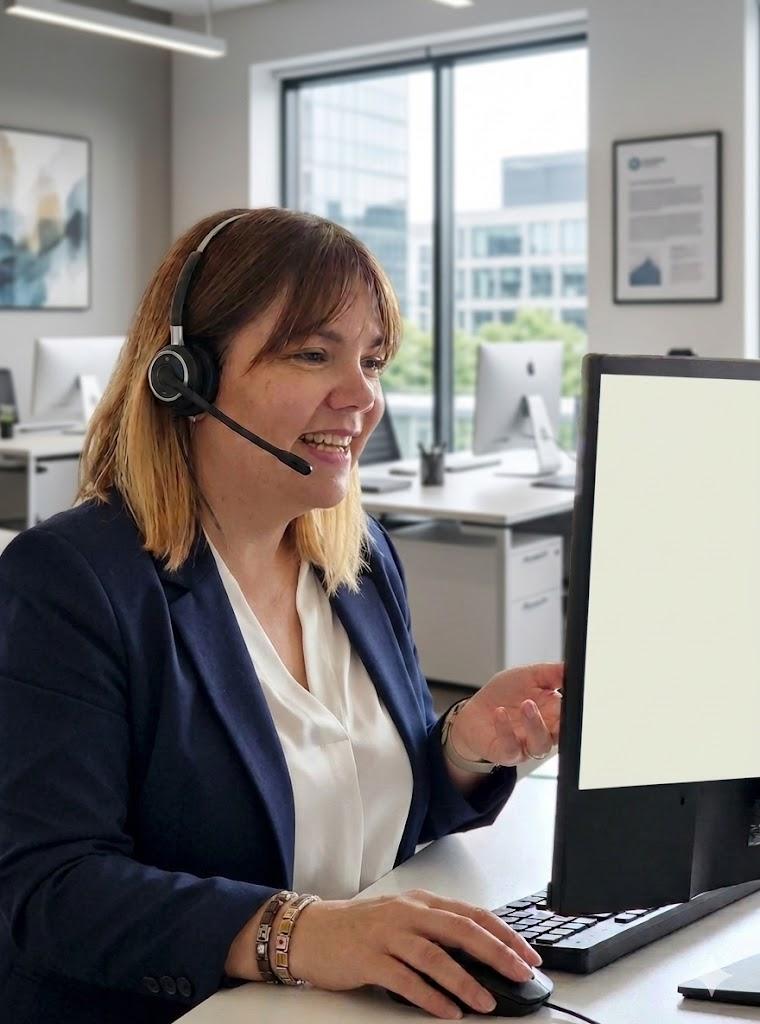
Even with excellent online exam invigilation software, candidates benefit from human assistance. Automated chatbots have their place, but they cannot provide the reassurance and empathy that many candidates need when anxious or facing a technical hurdle.
TrustTest places human support at the centre of the experience. Our team is available evenings and weekends, providing guidance, reassurance, and solutions when candidates need it most. This dedication is reflected in our 4.9 ratings on Google and TrustPilot, with customer support consistently highlighted as the aspect our users value most.
Sources
|
Metric |
Statistic |
Source |
|
Students reporting exam anxiety |
85% of UK students |
SaveMyExams survey June 2025 |
|
High-stakes exams |
Over 80% of students report anxiety |
IOMC, 2021 |
|
Performance impact |
Recall can be reduced by up to 20% |
Ofqual, 2019 |
|
Flexible testing uptake |
50% of candidates test outside office hours |
COSAC internal data |
|
Candidates needing support |
10-15% require special arrangements |
Ofqual 2020 Report |
|
Integrity of online exams |
95-99% of integrity breaches prevented |
OECD, 2021 |
|
Customer satisfaction |
4.9/5 average rating |
Google/TrustPilot – COSAC |
Ready to see it in action?
Creating a calmer, more accessible assessment experience doesn’t mean compromising on security. See how TrustTest by COSAC balances industry-leading integrity with a candidate-first approach.
Have questions about specific accommodations or technical setups? Our UK-based support team is here to help.