
Dispelling the ‘Big Brother’ myths
For many candidates, remote exam invigilation conjures images of an unblinking AI eye. However, as professional certification moves increasingly towards to remote environments, the Integrity Gap is widening. It’s time to dispel the common invigilation myths that portray these systems as mere surveillance. When designed with a people-first mission, online invigilation software is a powerful tool for accessibility and fairness.
Myth 1: It’s a ‘gotcha’ exercise
A common fear is that a remote invigilation exam is an intimidating, clinical experience.
In reality, how do remote proctored exams work?
-
They allow you to test in a familiar, comfortable environment like your home or office
. -
TrustTest uses record and review proctoring to maintain integrity without the intrusive feel of live supervision
. -
This approach reduces anxiety while ensuring cheating or identity fraud is reliably detected
.
Myth 2: Technology creates a barrier to entry
Some believe that high-stakes examination invigilation requires complex software downloads that crash your system. We believe in true accessibility: professional testing where the work actually happens.
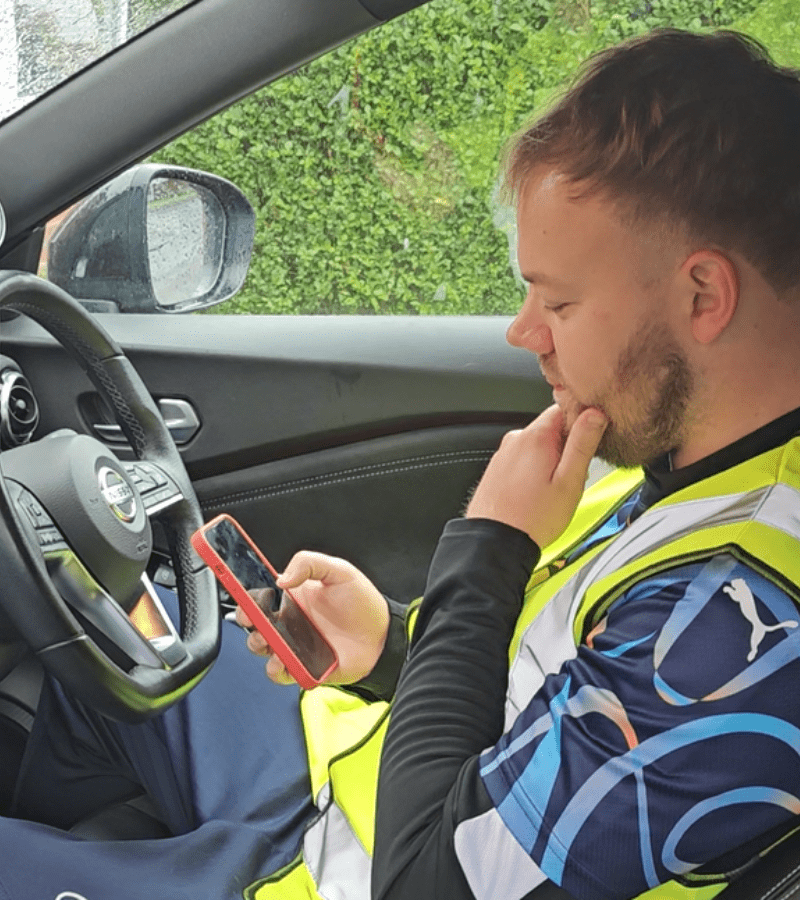
By using a mobile-first, browser-based platform with no downloads required, we eliminate the technical friction that often impacts neurodivergent candidates or those without high-end hardware. Our methodology focuses on candidate ergonomics, ensuring that the invigilator online test accommodations – such as extra time or flexible breaks – are handled with dignity and privacy.
Myth 3: “The system is looking for reasons to fail you”
Candidates often ask: What can the invigilator app detect? While the system does track eye movement and ambient noise, its primary purpose is to protect the value of your achievement.
A frequent concern is: Can the proctor see my screen? Yes, they can, but this is a crucial safety net. In an online invigilated examination, the online exam invigilator has a live view to ensure no unauthorised applications interfere with your session, providing a defensible audit trail that protects you from false accusations of malpractice.
Myth 4: “AI makes all the decisions”
The biggest myth of all is that a “flag” from a bot is the final word. At TrustTest, we believe that online invigilator oversight must be human-led. Our UK-based experts identify behavioural nuances that standard AI systems miss, ensuring that a nervous twitch or a child walking into the room isn’t mistaken for cheating.

The Bottom Line: Integrity is Empathetic
Ultimately, reducing test anxiety isn’t about making exams easier; it’s about making them honest and humane. When we use technology to support exam invigilation services, we aren’t just preventing fraud – we are empowering every candidate to demonstrate their true competence, regardless of their location or schedule.